Building computer systems that remain safe, dependable, and useful in the real world
I study how embedded systems, mobility platforms, IoT, and larger connected services can
be designed, tested, and operated so that people can use them with confidence.
This site summarizes the research goals, major themes, publications, software, and
academic activities behind that work.
Recent papers cover mixed-criticality services in software-defined vehicles, privacy-aware IoT access control, and resilience engineering for Mobility-as-a-Service.
Recent talks and articlesComprehensive dependability, embedded security, and Society 5.0 governance
Recent invited talks and articles have focused on automotive dependability, risk management, embedded security, and governance for large socio-technical services.
Research stanceThink across design, testing, assurance, and operation
The work does not stop at design-time verification. It also studies how systems can be explained, updated, and kept dependable after deployment.
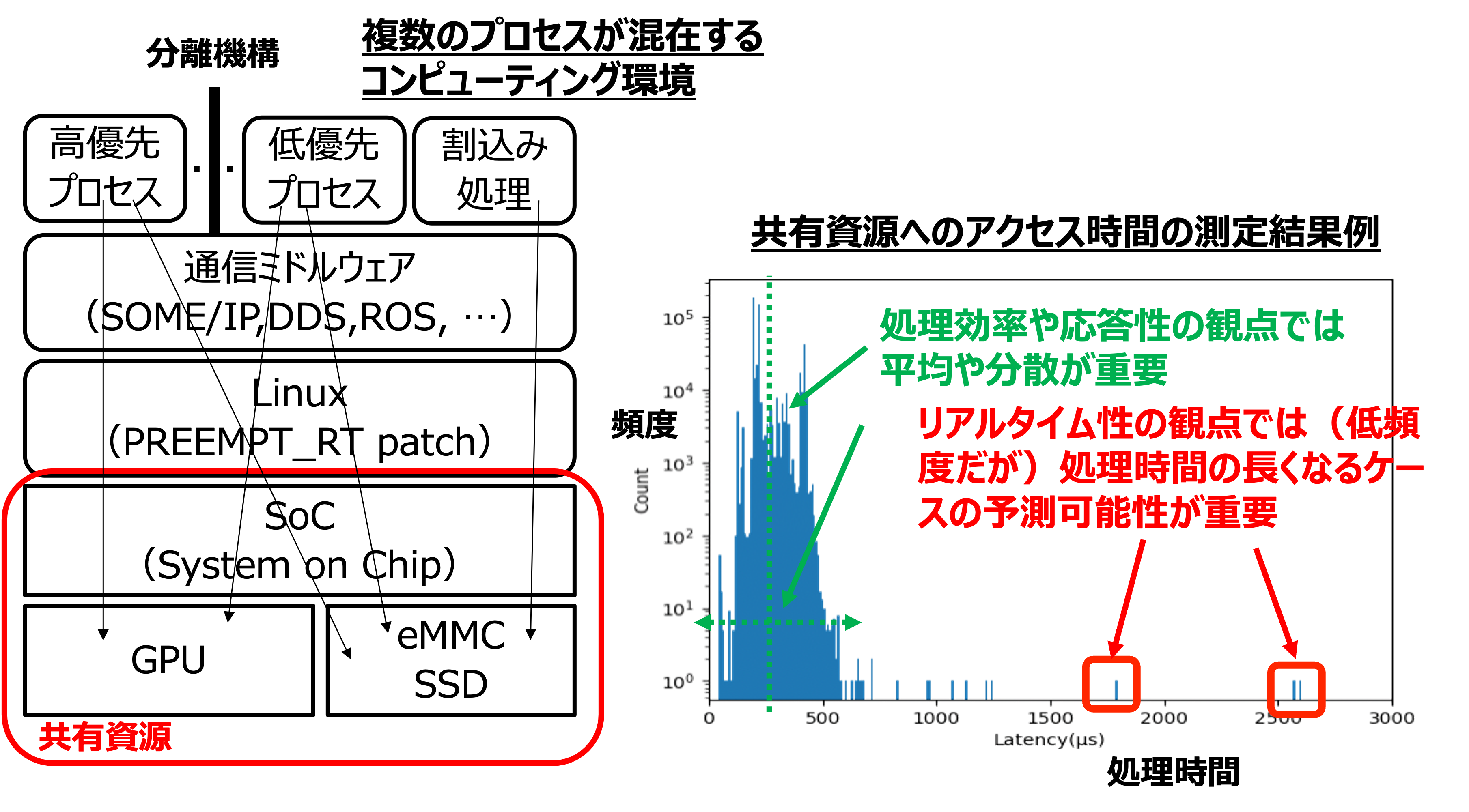
I study software platforms, real-time scheduling, and resource interference analysis for mixed-criticality systems in automotive, aerospace, and industrial applications, ensuring predictable and safe behavior.
02
IoT, blockchain, and security
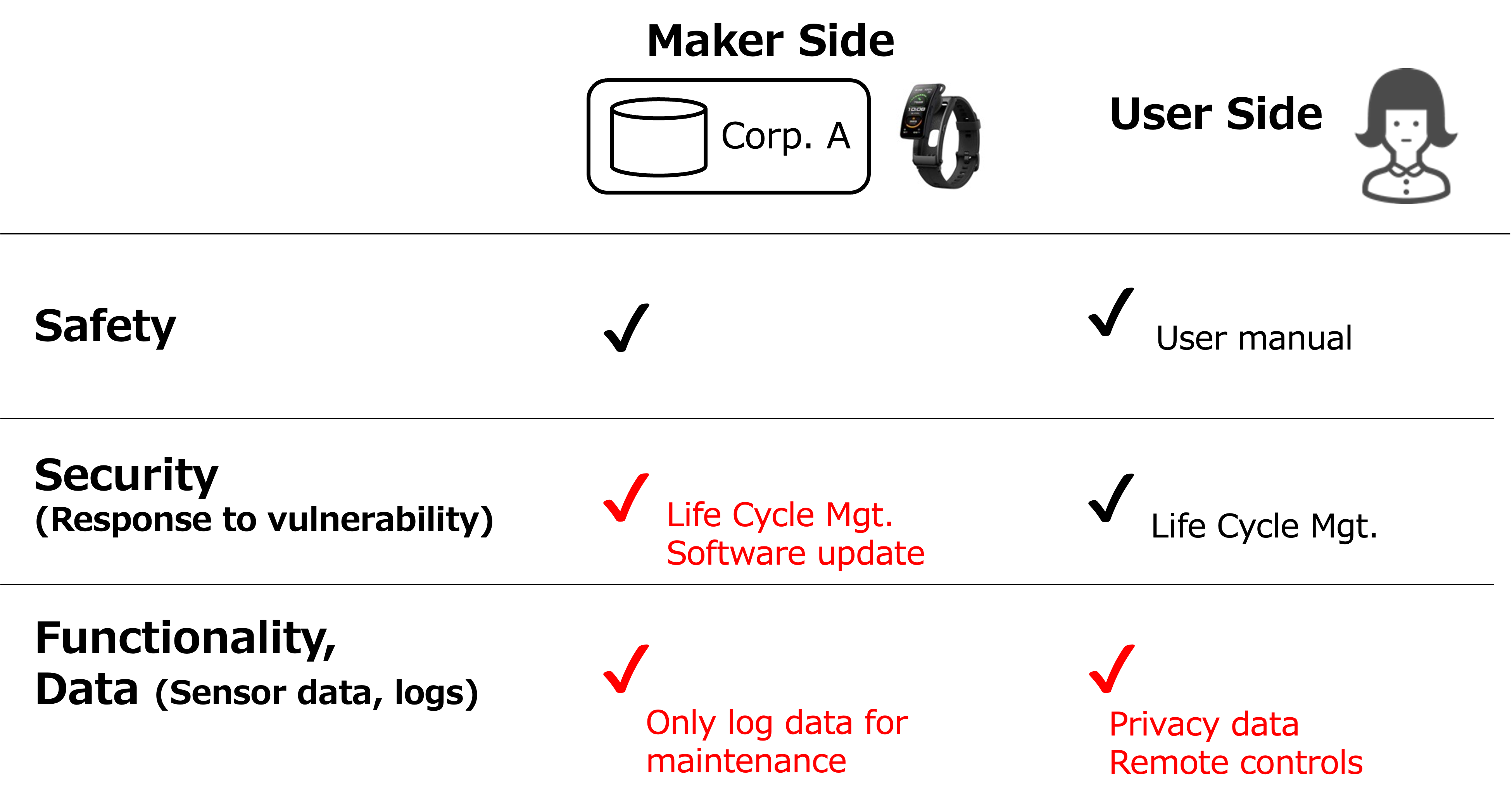
I work on access control, vulnerability detection through fuzzing (automated large-scale test input generation), and blockchain-based lifecycle management for connected devices and services.
03
Resilient mobility and connected services
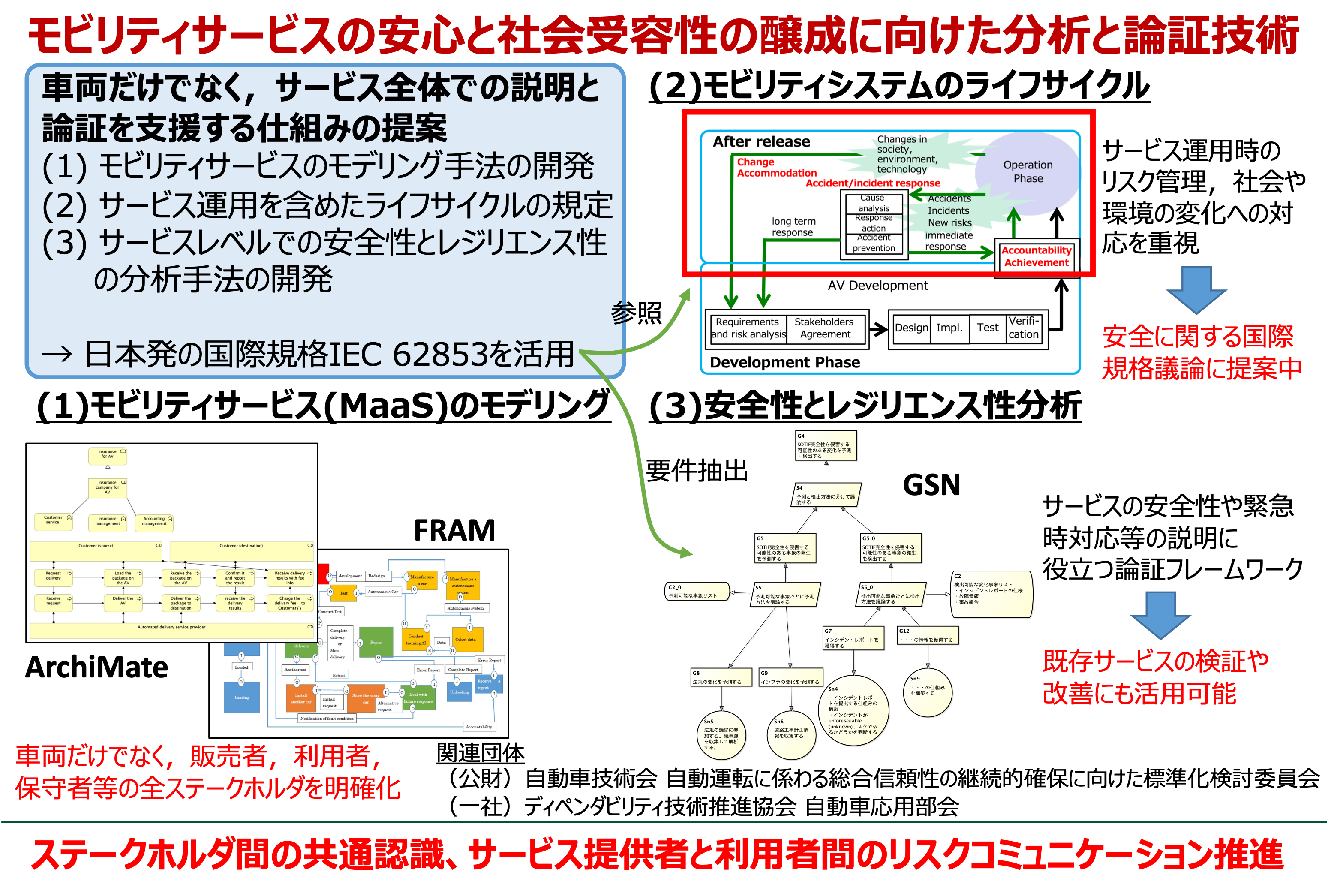
I study how large-scale Systems of Systems — such as MaaS and smart infrastructure — can maintain safety, security, and resilience as they evolve and adapt over time.
For Students
What students can grow into through this group
Full stackLearn embedded systems from hardware-near software to OS, middleware, and applications
Students develop a full-stack view of embedded systems by connecting implementation and evaluation across hardware-near software, RTOS and OS design, middleware, and application-level behavior.
InterdisciplinaryExplore future information systems by combining IoT with Web3 and theory-driven approaches
The group studies IoT together with Web3, game theory, contract theory, and control theory, opening room for students to shape new system architectures and service models.
Real projectsBuild initiative through joint research tied to real-world problems
By joining collaborative projects with industry and other researchers, students gain experience in framing problems, communicating with stakeholders, and moving research forward on their own.